How I Lost 300 Pounds With Intermittent Fasting
By Brian Hupp ·
I weighed 520 pounds. Today I weigh 200. That's a little over 300 pounds gone, and it took almost two years. I did it by changing when I ate. No surgery and no weight loss drugs, and I never paid for a program.


I'm not a doctor and none of this is medical advice. This is what happened to me, including the parts I still get wrong.
Where it started
In late 2022 I was diagnosed with rheumatoid arthritis. For about three months I could not move, and during that stretch I lost my job. I was 520 pounds and out of work.
Exercise was a no go. The one thing I could still change was how I ate.
I didn't know fasting was a thing
I had read a little, enough to think I'd try changing how often I ate. At that point I didn't change what I ate or how much. I just ate less often.
I didn't start with a long fast. I started below what people call 12:12, which is twelve hours of eating and twelve hours without (I explain the numbers in 12:12, 14:10, and 16:8: What Do Fasting Windows Actually Mean?). If you've read about 16:8 and it sounds like too much, I didn't start there either. How I'd think about adding hours later is in When to Move to a Longer Fasting Window, and When to Stay Put.
The meals got smaller on their own
My first big meals were a lot bigger than what I eat now. Over time they got smaller without me planning it, until one good-sized meal a day was enough. I can't overeat the way I used to.
What changed most is how I think about food. It used to be a want. Now it's a need, so I eat when I need to and I eat less in general. At least that's how it works for me.
I said it out loud in the car one day, in a short on my YouTube channel: discipline is just remembering what you actually want. I wanted to lose the weight.
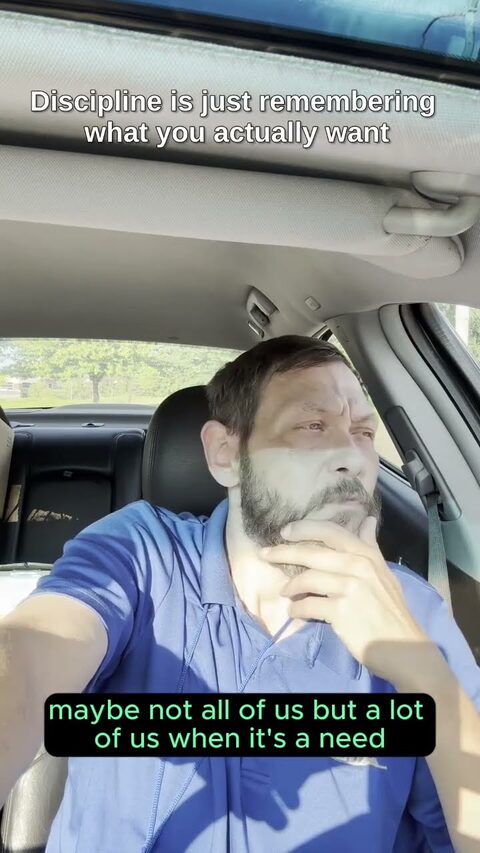 Watch the 51-second short on YouTube
What a normal day looks like now
When I get up I drink a glass of water. A few mornings a week I'll have a protein shake or a smoothie too, if I feel like it. About four days out of seven I skip that and the evening meal is all I eat.
Through the day it's water, and some pop. Nothing else until around 4 or 5. Then I have one good-sized meal, somewhere between 5 and 10 at night. If I'm hungry late I might snack on fruit, though not much and not often, and once in a while I have a snack because I want one. What that one meal is, and how much smaller it got, is in What I Eat While Intermittent Fasting: Whatever I Want, Just Less.
The rule I break
The pop has sugar in it, so it breaks a fast. So does the morning shake. By the strict definition, most of my days are not a clean fast. I go through the whole list in What Breaks a Fast? And What I Actually Drink.
Pop is the only habit I still have from when I was obese. It's bad, I still need to quit, and I'd lose even more if I did.
I'm telling you because I lost the weight anyway. I don't recommend the pop. But if you've broken a rule and figured you blew the whole thing, I have been breaking this one the entire time.
What happened with the arthritis
When I started fasting, the RA symptoms started to go away. My doctors took me off all of my RA medication because there were no symptoms left to treat. That was their call. I did not stop anything on my own and I wouldn't tell anyone else to.
It has been years now with no symptoms coming back, yet. I say "yet" on purpose. Being off the medication does not mean I'm cured, and I can't tell you fasting is the reason. I can only tell you the order things happened in for me. I still have ordinary wear-and-tear arthritis in my knees and back. What working through pain was like while I fasted is in Intermittent Fasting With a Physical Job and Chronic Pain: How It Went for Me.
I went from three months of not moving to walking more than 10,000 steps a day.
What I'd want you to know before you try
It was slow. Almost two years, and I think it would have gone faster if I had been able to exercise at the start. I can't promise you my result or any timeline. The mistakes I'd warn a beginner about are in 5 Intermittent Fasting Mistakes, Including the One I Still Make.
Fasting isn't magic either. In an NIDDK interview, Dr. Krista Varady describes her research finding similar weight loss between time-restricted eating and standard calorie restriction. Eating less often is just the way that I stuck with.
It also isn't right for everyone, and I don't want to push it on anybody. If you have a health condition, take medication, are pregnant, or have a history of disordered eating, talk to your doctor before you change how you eat. Before You Try Intermittent Fasting has questions worth bringing to that appointment.
Think of this site as a shoulder from someone who has been there, for people who want to try.
If you want to try
I started without buying anything, and you don't need to either. The free Fasting Readiness Quiz is an educational tool that helps you think about where to begin. It can't tell you whether fasting is safe for you. The free Fasting Tracker runs in your browser and keeps your log on your own device.
If you want more than that, Finding Your Window is my $9.99 PDF guide. It explains five fasting windows and includes tracking logs.
Get my free one-page fasting window cheat sheet: what the numbers mean and what breaks a fast. Confirm your email and the download opens. New fasting posts come by email after that. No spam.
About the author. Brian Hupp is a regular guy from Ohio who lost about 300 pounds with intermittent fasting after a rheumatoid arthritis diagnosis in late 2022. He is not a doctor or a nutritionist. He writes about what he did and makes the tools at Hupp Goods. He tells the story on video at The Real Training Arc on YouTube. More about Brian.