5 Intermittent Fasting Mistakes, Including the One I Still Make
By Brian Hupp ·
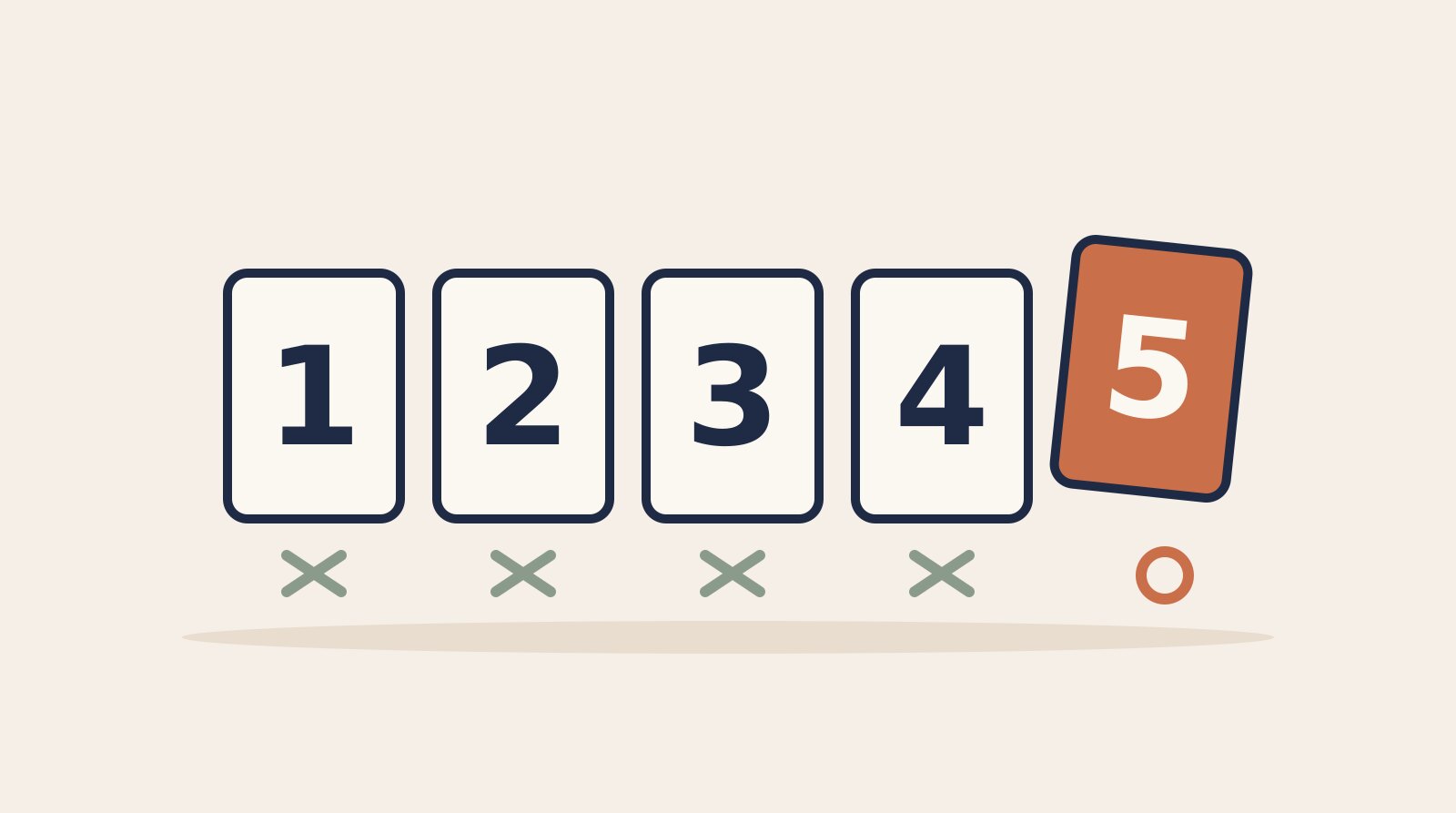
Here are five mistakes I'd warn a beginner about. I dodged two of them without knowing it, and I still make the last one every day.
I went from 520 pounds to 200 by changing when I ate (the whole story is in How I Lost 300 Pounds With Intermittent Fasting). I'm not a doctor and this isn't medical advice.
1. Starting with a fast that's too long
A lot of what you read about fasting starts at 16:8, which is sixteen hours without food. Dr. Krista Varady is a nutrition professor who runs fasting studies, and in an NIDDK interview she says "people typically eat within a 12- to 14-hour window each day." Going from that to eight hours overnight is a big jump.
I started below 12:12. I didn't know fasting was a thing yet. I just ate less often than I had been. The longer hours came later.
If you don't know the numbers, 12:12, 14:10, and 16:8: What Do Fasting Windows Actually Mean? explains them. The free Fasting Readiness Quiz is an educational tool that helps you think about where to begin. It can't tell you whether fasting is safe for you.
2. Changing everything at once
A new eating schedule, new food, smaller portions and a workout plan, all starting on the same Monday. I think that's too much to hold onto at one time.
I changed one thing. At first I didn't change what I ate or how much, only how often. Exercise was a no go because of the arthritis, so that wasn't on the list either. My meals got smaller over time without me planning it.
Asked whether fasting needs other weight loss measures added to it, Dr. Varady says: "I don't think you need to combine it with calorie counting."
3. Deciding one bad day ruined it
You eat early, or you have a snack at ten at night, and it feels like you blew the whole thing.
People in fasting studies miss days too. Dr. Varady again: "On average, people doing time-restricted eating stick to eating within a 6- to 8-hour window on 6 out of 7 days per week." Those are people who signed up for a study, and they still miss about one day a week.
If your fast ended early today, the days before it still count. Start again at your next one.
4. Expecting it to be fast
It took me almost two years to get from 520 pounds to 200. I think it would have gone faster if I had been able to exercise at the start.
I can't tell you how long it will take you, and I can't promise you my result. In that interview Dr. Varady says most of the studies on time-restricted eating are short, usually 2 to 3 months. Two weeks on the scale isn't much to judge it by.
It helps to have something to look at besides your weight. The free Fasting Tracker keeps a history of your fasts on your own device, and What to Actually Write in a Fasting Journal covers what's worth writing down.
5. Drinking your calories (the one I still make)
Most days I drink water and Mountain Dew. The pop has sugar in it, so it breaks a fast, and I drink it outside my eating window anyway.
It's the only habit I still have from when I was obese. It's bad, I still need to quit, and I'd lose even more if I did. I lost the weight anyway, but I still count it as a mistake.
Water, black coffee and plain tea don't break a fast. The full list is in What Breaks a Fast? And What I Actually Drink.
Before you change anything
Fasting isn't right for everyone, and I don't want to push it on anybody. If you have a health condition, take medication, are pregnant, or have a history of disordered eating, talk to your doctor before you change how you eat. In the same interview Dr. Varady says: "I don't think people with a history of eating disorders should do fasting regimens."
Before You Try Intermittent Fasting has questions worth bringing to that appointment.
If you want to try
I started without buying anything, and you don't need to either. The quiz and the tracker above are free.
If you want more than that, Finding Your Window is my $9.99 PDF guide. It covers five fasting windows, with common mistakes and what to expect in the first weeks, and has tracking logs.
Get my free one-page fasting window cheat sheet: what the numbers mean and what breaks a fast. Confirm your email and the download opens. New fasting posts come by email after that. No spam.
About the author. Brian Hupp is a regular guy from Ohio who lost about 300 pounds with intermittent fasting after a rheumatoid arthritis diagnosis in late 2022. He is not a doctor or a nutritionist. He writes about what he did and makes the tools at Hupp Goods. He tells the story on video at The Real Training Arc on YouTube. More about Brian.