When to Move to a Longer Fasting Window, and When to Stay Put
By Brian Hupp ·
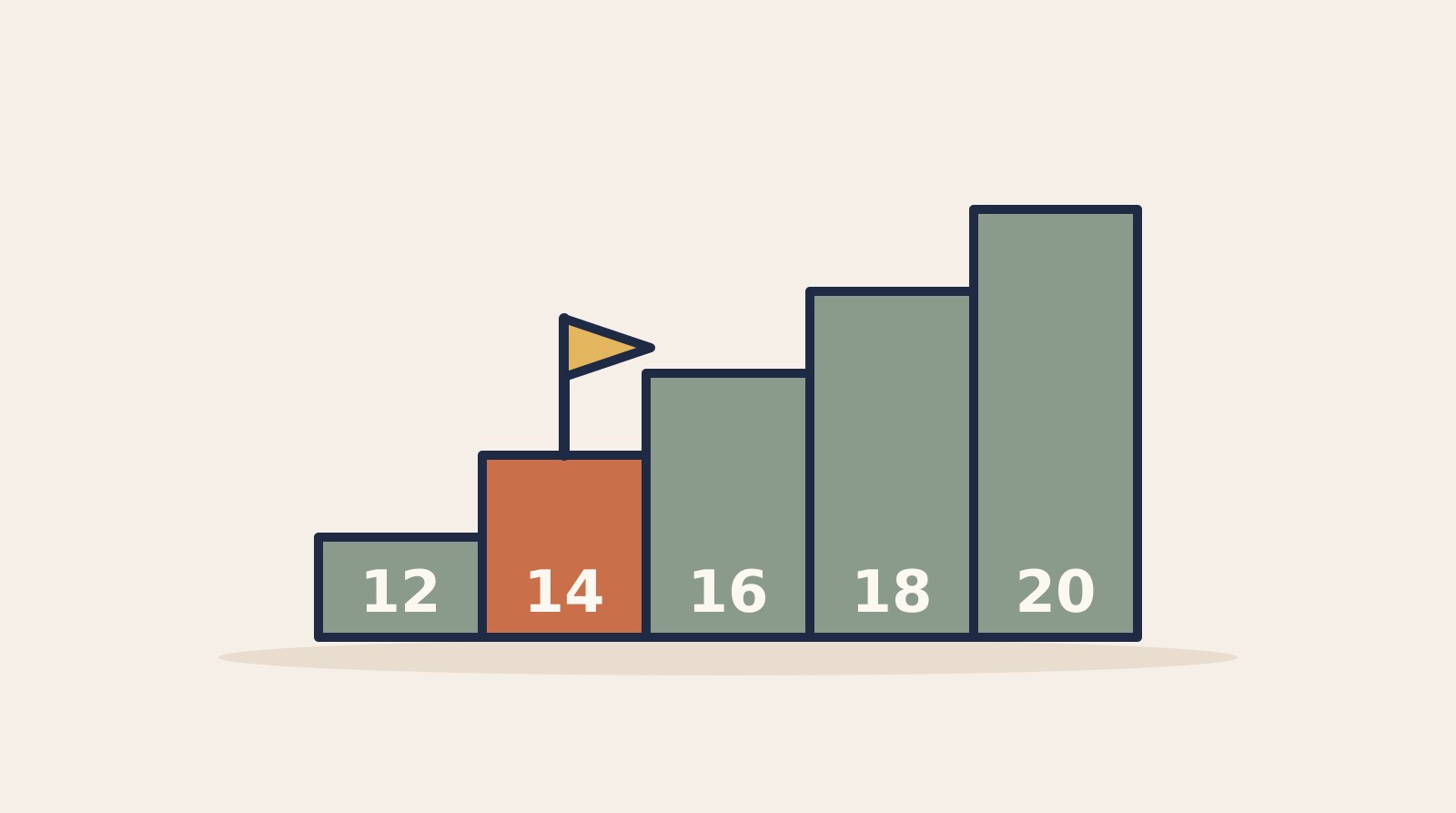
I started below 12:12. These days I can hold 20:4 if I want to. Getting from one to the other took almost two years, and I didn't have a program telling me when to move up.
I went from 520 pounds to 200 by changing when I ate (the whole story is in How I Lost 300 Pounds With Intermittent Fasting). I'm not a doctor and this isn't medical advice. This is how I'd think about adding hours, and when I'd leave them alone.
A longer window isn't a promotion
12:12, 14:10, 16:8, 18:6, 20:4. Written out like that they look like levels in a game. They're only hours on a clock. 12:12, 14:10, and 16:8: What Do Fasting Windows Actually Mean? explains the numbers.
Dr. Krista Varady is a nutrition professor who runs fasting studies. Her 12-month study had six months of weight loss and six months of keeping it off. In an NIDDK interview she says: "We found that participants could maintain their weight loss when they stuck to an 8- to 10-hour eating window."
An 8 to 10 hour eating window is 16:8 or 14:10. The people in her study kept the weight off there, and that's a long way short of 20:4.
My weight came off because I ate less. The clock was how I got there. So I don't count a longer fast as a better one.
What I'd look at before adding hours
There are four things I'd check.
First, the window you're on is boring. You aren't watching the clock for the last two hours of it. If your current window still takes everything you've got, I'd give it more time before making it longer.
Second, the bad days are rare. I'd get bad days sometimes. They came from eating early in my window and nothing else that night, or from a meal that was too small. More hours won't fix either one. I'd fix the meal first. There's more on that in Intermittent Fasting With a Physical Job and Chronic Pain: How It Went for Me.
Third, food is turning into a need more than a want. This is the change that mattered most for me. Food became something I need, not something I want, so I eat less in general. At least that's how it works for me. My meals got smaller over time without me planning it.
Last, you want to, and it isn't because of a bad week. A slow week on the scale is a poor reason to add four hours. It took me almost two years to get where I am. Expecting it to be fast is number four in 5 Intermittent Fasting Mistakes, Including the One I Still Make.
Move a little at a time
I started lower than 12:12 and the longer hours came later. I got there gradually, one window at a time.
From 12:12 to 14:10 is two more hours without food. From 12:12 to 18:6 is six. I'd take the two.
It helps to see a couple of weeks at the new window before you decide anything. The free Fasting Tracker keeps a history of your fasts on your own device, and What to Actually Write in a Fasting Journal covers what's worth writing down.
Staying put is fine, and so is going back
If a longer window leaves you worn out, or the bad days start showing up more, go back to the one that worked. You haven't failed anything, and the weeks you already did still count.
I can hold 20:4 now, and I don't do it every day. About four days out of seven it's just the one meal. The other days I have a protein shake or a smoothie in the morning, and I drink pop that I still need to quit. I lost the weight anyway.
You can also stay at a window for good. If it fits your day and you can keep doing it, that's the one I'd keep.
Talk to your doctor first
Fasting isn't right for everyone, and I don't want to push it on anybody. If you have a health condition, take medication, are pregnant, or have a history of disordered eating, talk to your doctor before you change how you eat.
That applies again each time you add hours. If you take medication on a schedule or with food, a longer fast changes that schedule, and your doctor needs to know. If you feel unwell on a longer window, stop and get checked.
Before You Try Intermittent Fasting has questions worth bringing to that appointment.
If you want the longer version
You don't have to buy anything to do any of this. I didn't. The free Fasting Readiness Quiz is an educational tool that helps you think about where to begin. It can't tell you whether fasting is safe for you.
Finding Your Window is my $9.99 PDF guide, and this is one of the questions it covers. It goes through five windows: 12:12, 14:10, 16:8, 18:6 and 20:4. For each one it covers what to expect in the first one to two weeks, common mistakes, what you can drink, and how to know you're ready for the next one. It has simple tracking log formats you can copy.
It is not a meal plan, it is not medical advice, and it doesn't promise a result.
Get my free one-page fasting window cheat sheet: what the numbers mean and what breaks a fast. Confirm your email and the download opens. New fasting posts come by email after that. No spam.
About the author. Brian Hupp is a regular guy from Ohio who lost about 300 pounds with intermittent fasting after a rheumatoid arthritis diagnosis in late 2022. He is not a doctor or a nutritionist. He writes about what he did and makes the tools at Hupp Goods. He tells the story on video at The Real Training Arc on YouTube. More about Brian.